
 EN
EN



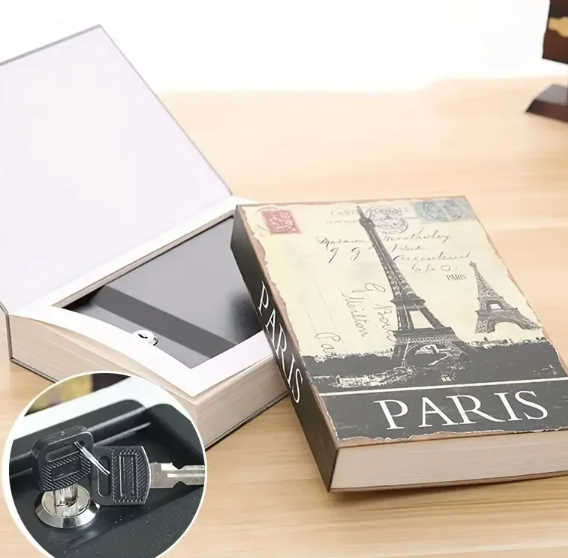
Understanding B2B Client Requirements for Hidden Storage Compartment Design
Analyzing operational drivers: inventory turnover, item dimensions, and access frequency
Designing effective hidden storage compartments starts by looking at what really matters in day to day operations. Things that get used often like office supplies or cleaning products need easy access so people can grab them quickly without disrupting their work flow. On the flip side, stuff that sits around most of the time like old records or backup files should be stored where they take up minimal space and stay secure even if no one is watching. The size of items makes a big difference too. Odd shaped tools might need special holders or adjustable shelves, while standard sized boxes fit nicely into those neat modular storage systems everyone loves. How often something gets accessed affects everything from door hinges to shelf placement. Compartments that open dozens of times a day require heavy duty hardware that won't break down after months of constant use. But for those things we only pull out once every few months, security features become more important than quick access. When designers ignore these basic factors, they end up creating storage solutions that look great on paper but fall apart when actual employees start using them regularly.
Translating workflows into functional compartment zoning (e.g., high-traffic vs. archival)
Good compartment zoning should follow how people actually move around and work—not just what looks good on paper. The busy spots near main work areas need to hold all those tools workers grab constantly. We're talking about push-release drawers, strong edges that won't bend, and surfaces that stand up to daily wear and tear. Research shows these high use areas take up roughly two thirds of most commercial storage setups. For stuff that doesn't get touched much, we go vertical with stacked shelves, hide things under floors, or build recessed walls with magnetic catches or key locks. This keeps valuable space free while keeping delicate items safe. When different departments meet, mobile carts on tracks make sense so spaces can change as needed. Proper zoning turns empty corners into working extensions of daily routines. Workers see everything they need at a glance, which means tasks get done faster without wasting time hunting for equipment.
Strategic Placement and Concealment of Hidden Storage Compartments
Architectural integration: kickboards, columns, millwork reveals, and furniture-embedded compartments
Real concealment happens when we stop thinking about storage as something separate from architecture and start seeing it as part of the architecture itself. Take kickboards for instance those boring strips people usually ignore. When designed right, they can hide away all sorts of flat stuff like maintenance records or calibration sheets, giving commercial spaces roughly 10-15% more usable area. Some designers are getting creative with false columns too, turning them into clever vertical storage spots for long tools or cable bundles without making the room feel cluttered. The millwork tricks are pretty neat as well, using natural gaps between panels and shadows created by moldings to disguise where things actually open up, so nobody notices the hidden compartments behind beautiful cabinetry. Even furniture gets in on the act these days, with benches that lift up and desks at receptions that double as drawers. All these approaches share one goal: creating spaces where everything has its place but doesn't draw attention to itself, keeping things looking good while still working great for whoever uses them day to day.
Hardware-free access systems: magnetic latches, gravity hinges, and push-to-open mechanisms
Access solutions without visible hardware maintain clean looks while keeping operations dependable day after day. The magnetic latches hold tight when things get bumpy or shaken around but give way easily under light touch, making them great for areas where people need quick and consistent access all the time. Doors equipped with gravity hinges automatically shut themselves completely without anyone needing to reach for handles, which cuts down on unexpected openings that could be dangerous. For places where hands are often busy or contamination is a concern, push-to-open designs work smoothly with just a nudge from elbows or knees. These systems are built tough too, lasting through about quarter of a million opens and closes before needing maintenance. They deliver what we call invisible functionality since they meet ADA standards, won't catch on clothing or equipment, and keep commercial spaces looking neat even though they handle heavy foot traffic constantly.
Selecting the Right Hidden Storage Compartment Mechanism
Swing, slide, and pop-up mechanisms—comparing load capacity, service life, and acoustic performance
When choosing door mechanisms, functionality should guide decisions rather than just what looks good. Hinged swing doors can handle serious weight - around 50 kg actually - and last forever according to the Hardware Standards Institute reports from 2023 (about 50 thousand cycles). These work great in places where tools get moved constantly or supplies are accessed all day long. But they do make some noise when opening and closing, so not really suitable for areas needing quiet operation. Slide systems run almost completely silent thanks to those fancy track systems engineers design. They manage medium weights at about 40 kg for roughly 35 thousand cycles before needing replacement. The catch? These systems need space on either side which can be tricky in cramped spaces. Pop-up doors deploy vertically with minimal sound making them perfect for boardrooms or doctor's offices where silence matters most. However, these aren't built for heavy stuff - max around 20 kg - and tend to wear out faster after about 25 thousand uses. For businesses dealing directly with clients or operating under strict regulations, keeping noise down becomes more important than lifting capacity. Warehouses and laboratory settings typically prioritize durability over quietness since equipment gets used so frequently there.
| Mechanism | Max Load | Service Life (cycles) | Noise Level | Best For |
|---|---|---|---|---|
| Swing | 50 kg | 50,000 | Moderate | Heavy items, high-traffic areas |
| Slide | 40 kg | 35,000 | Low | Quiet zones, medium-duty use |
| Pop-up | 20 kg | 25,000 | Very Low | Noise-sensitive environments |
Ensuring Long-Term B2B Viability: Durability, Accessibility, and Brand Integration
Material and finish selection for commercial longevity: laminates, hardwoods, and custom-matched veneers
What materials get selected has a big impact on how much something will cost over time, how often it needs fixing, and whether it fits with what a company stands for when installed commercially. High pressure laminates stand up pretty well against scratches, impacts, and chemicals, lasting way past ten years even in places where people walk all day long. Hardwoods that come from responsible sources offer good support for parts that need to hold weight, plus they tend to look better as they get older rather than falling apart. When custom matching veneers, designers can copy whatever existing woodwork, floor designs, or building details are already there so that storage areas blend right in but still make sense for the business image throughout offices, behind stores, or hotel hallways. Looking at actual facility records reveals that going with higher quality materials cuts down on replacements needed later by around 35 percent, which means real savings because there's less time spent fixing things and fewer expenses for redoing spaces.
Balancing ADA compliance, serviceability, and aesthetic invisibility in compartment design
Getting long term results means finding the right balance between meeting regulations and creating something that feels natural to use. For ADA compliance, we need clear walking paths, doors that open with less than five pounds of force, and enough floor space for maneuvering. These standards can be met with features like built-in grip areas, hinges adjusted for proper torque, and mechanisms that don't stick out at all. The system also needs to stay serviceable over time. Panels come off easily without tools for checking inside or replacing parts, while modular pieces let technicians upgrade components in the field instead of replacing everything. Noise control matters too. Special materials in door seals, buffer systems on hinges, and sound absorbing tracks keep operations quiet during important meetings or delicate work processes. This combination of accessibility, easy maintenance, and complete discretion makes hidden storage solutions work well in serious business environments where functionality must remain invisible.