
 EN
EN



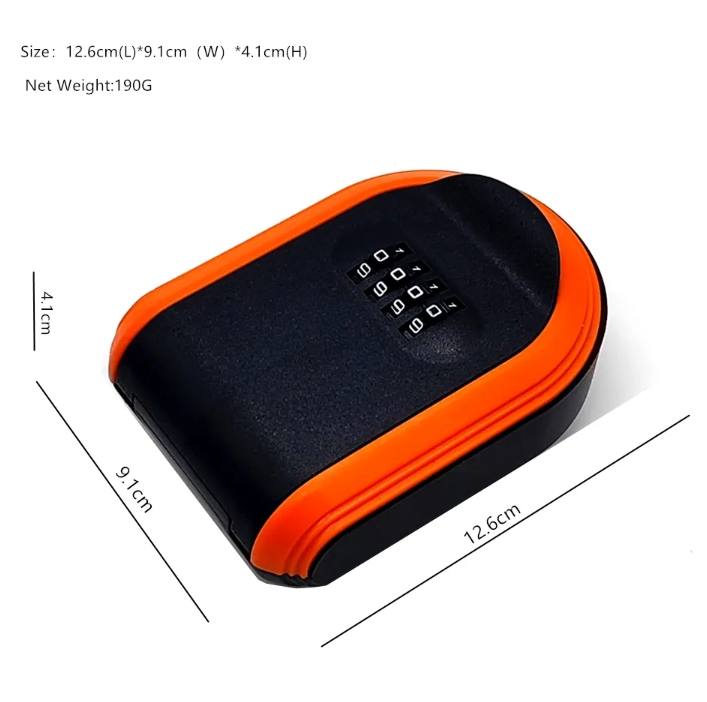
Security Priorities: Tamper Resistance and Audit-Ready Design
Physical Durability and Tamper-Resistant Construction Standards
Good commercial key boxes need to hold up against attempts at forced entry. They typically use heavy duty steel between 14 and 16 gauge, along with reinforced door frames and those fancy anti-pry features we've all heard about. The top tier models actually go beyond ANSI/BHMA Grade 1 standards, which is pretty much the gold standard for commercial durability these days. Independent tests show they last well over a decade even when used regularly in day to day operations. Many tamper resistant designs have these hardened steel barriers inside that literally break drill bits when someone tries to mess with them. Security companies report that stops around 95% of attempted physical breaches based on their field audits. All this solid construction means that master key systems stay protected even when nobody's watching, which is exactly what most facility managers want to hear.
Anti-Drill Plates, Multi-Point Locking, and Tamper-Detection Alerts
Security systems with multiple layers help avoid situations where one weak spot brings everything down. The carbide plates surrounding lock cylinders are designed to break drill bits when someone tries to force entry through them. About three out of four break-ins start with targeting locks directly. When doors are equipped with multi-point locking systems, they activate several steel bolts at once across different parts of the door frame. This spreads out the force applied during attempts to pry open the door with tools like crowbars. Tamper detection features come into play too. These sensors set off loud alarms (around 110 decibels) whenever there's suspicious movement detected, and they record exactly when these events happen. What makes this setup particularly valuable is that it serves two purposes at once security protection and gathering evidence for later investigation. Best part? All this functionality comes built-in so companies don't need extra equipment to meet their data protection standards under SOC 2 guidelines.
Access Control Options: Mechanical vs. Electronic Key Boxes
Cam Locks, Euro Profile Cylinders, and Keyed-Alike Configurations
Traditional mechanical key boxes typically feature durable cam locks or Euro profile cylinders. They work without electricity, are pretty reliable stuff, and generally fine for places where security isn't a major concern like those storage closets nobody really checks. The keyed-alike setup makes life easier for administrators since they can use just one master key to open several different boxes throughout the building. But there's a catch here. Physical keys come with real problems. According to recent research published in Security Journal back in 2023, around 31 percent of all facility breaches actually happen because someone loses their key or worse, copies it without permission. What's worse is these old school systems don't track who accessed what when. No records of access times, no ability to remotely disable a lost key, and absolutely nothing that would alert anyone if someone tries duplicating keys behind the scenes.
Electronic Key Boxes with Audit Trails, Access Logs, and Remote Management
Electronic key boxes offer real control over who gets access when. The audit trail records each time someone takes a key, noting exactly which person, what time it happened, and which particular key was grabbed. This kind of detailed tracking works great for meeting standards like ISO 27001 and various other regulations. When something goes wrong, having those real time logs means security teams can respond much faster. Plus, managing permissions remotely from the cloud makes life easier when new people join the team or existing staff leave. Want even more control? Temporary access codes let folks in only during certain hours, creating flexible entry windows that adjust to changing needs. Sure, these systems need electricity to work, but most come with built-in batteries so operations don't grind to a halt during outages. That reliability is why many secure areas depend on electronic solutions for both keeping track of activity and adapting quickly to new situations.
Key considerations when choosing:
- Mechanical: Best for budget-constrained, low-traffic, low-risk areas
- Electronic: Required for audit compliance, rapid access governance, and scalable security
Installation & Integration: Mounting, Concealment, and Office Workflow Fit
Wall-Mounted, Fixed, and Discreet Concealment Strategies for High-Traffic Areas
How something gets installed really matters when it comes to keeping things secure and making sure people can actually use them. Mounting units on walls by securing them into structural studs with those special tamper proof bolts stops anyone from trying to take them down. This matters a lot in busy areas where lots of folks pass through regularly, think about lobbies or places where deliveries happen all day long. For businesses looking at commercial setups, going with ASTM F883 rated materials makes sense. Hiding these devices works best too. Some installers put them behind wall panels or stash them away in maintenance closets so regular folks don't see them but authorized personnel still have easy access. Putting them close to front desks helps during emergencies, and checking how daily workflows work around these installations keeps everything running smoothly. According to some stats from the FBI back in 2022, good hiding spots combined with solid anchoring cuts down break in risks by about 40 percent. Don't just slap stuff onto particle board or drywall though. Always double check there's enough space for doors to open fully and make sure pathways meet accessibility standards before calling an installation complete.
Commercial Use Cases: Scalability, Compliance, and Operational Efficiency
Commercial key boxes are much more than just places to store keys they actually form part of the strategic infrastructure for many businesses. The modular design allows these systems to expand naturally as companies grow their operations, whether opening new offices or dealing with massive key collections spread across multiple properties. Features that make them audit ready include things like tamper evident logs and access records that can't be altered, which is important for meeting regulations set by HIPAA, GLBA, and other financial standards. Companies that fail to comply face serious fines, sometimes running into hundreds of thousands of dollars according to research from Ponemon Institute back in 2023. From an operational standpoint, having everything centrally managed reduces the time staff spend looking for keys by around two thirds. Plus, setting different permission levels means there's no need for constant manual checks. When we look at how well these systems scale, ensure compliance, and boost efficiency, it becomes clear why so many facility managers, property service providers, and emergency responders now consider commercial key boxes essential parts of their daily operations.